


GPS Location Tracker — Locator
4.5527.00 Reviews
App Specs
- Version
- 1.3.1
- Updated On
- License
- Free
- Downloads
- 5,000,000+
- Developer
- ONSOFFOUR OU
- Categories
- Lifestyle
- Platform
- Android
Screenshots
 Analysis by AppCompare
I usually reach for a location-sharing app when a group is trying to meet up or when someone I care about is travelling home. GPS Location Tracker — Locator is aimed at that everyday need: seeing a family member’s position rather than repeatedly texting for updates. Its focus is practical, but location sharing only works well when everyone involved understands what is being shared and agrees to it. That matters as much as the map itself.
How the app fits into everyday location sharing
GPS Location Tracker — Locator is a free lifestyle app from ONSOFFOUR OU, with optional in-app purchases ranging from $7.99 to $59.99 per item. It has a 3.9 average from around 37,000 ratings, and more than a million installs. Those figures suggest that plenty of people are willing to try it, though they don’t tell me whether its approach will suit your family. It is rated for Everyone, and the current version is 1.2.1.
What the current version tells me—and what it doesn’t
The app was released on March 27, 2025, so it is a relatively recent option in a familiar category. Version 1.2.1 gives us a concrete picture of its current release, but a version number alone doesn’t reveal which features changed or how earlier versions behaved. I wouldn’t treat it as proof of a particular improvement. The useful question for a new user is whether the current experience supports the way your household wants to share locations.
For an existing user, a new version is worth approaching as a chance to check the app’s current settings, not as a reason to assume that sharing preferences stayed exactly as before. Location-sharing habits can change too: a person may want to share during a commute but not throughout the day. I’d make that expectation explicit with everyone in the group and review the app’s controls together after installing or updating.
Getting Started with Ease
First off, downloading the app was a breeze. Available on both Android and iOS, the installation process was smooth sailing. Once you fire it up, you’re greeted with a clean interface that’s intuitive, even for those who aren’t super tech-savvy. Setting up an account takes just a couple of minutes, and you’re good to go.
Features That Stand Out
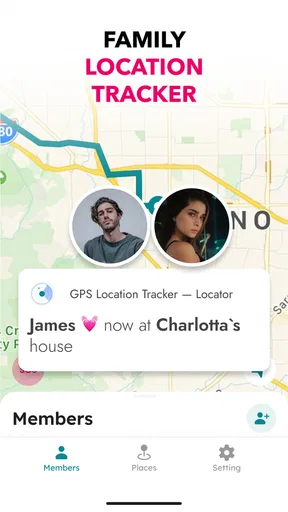
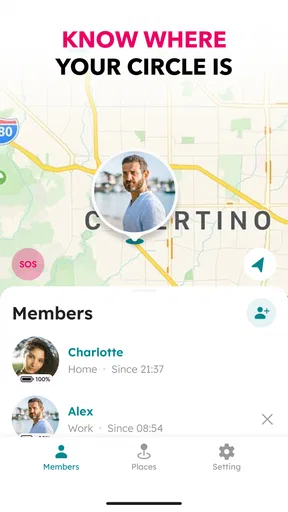
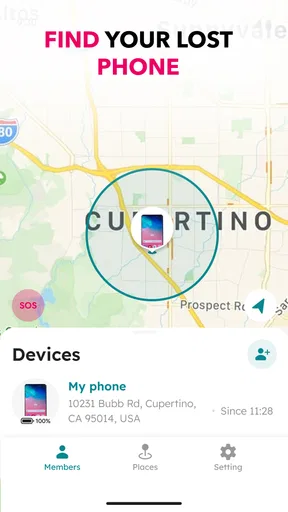
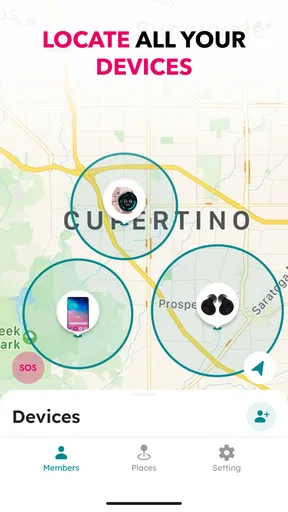
Now, let’s dive into what makes GPS Location Tracker — Locator a must-have. The real-time tracking is top-notch. You can see where your friends and family are on a map that updates seamlessly. I was impressed with the accuracy; it pinpoints locations down to the street level, which is pretty cool.
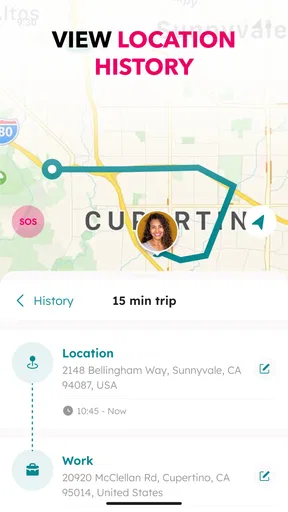
One feature I found particularly useful is the location history. It keeps a record of where you’ve been, which is great for reminiscing about past trips or just keeping track of your whereabouts. You can also set up geo-fences, which are virtual boundaries that trigger notifications when someone enters or leaves a designated area. Perfect for making sure the kids are safely home from school.
Worth Reading Before You Choose

Flipboard Shows What News Apps Must Do Beyond the Feed

Switching to Android Auto Means Rethinking Your Driving Routine

Google Calendar Makes a Crowded Week Easier to Manage

Ludo King Makes the Most of the Minutes Between Plans

Baby Panda World Brings Quick Play to Modern Phones, but Its Game Library Feels Busy

ESPN’s Live Game View Makes Following Close Games Easier
A useful routine, not an all-day audience
The best use I can see is a small, trusted circle with a clear purpose. For example, a parent and teenager could agree to use location sharing for the school commute, then talk through when it should be switched off. A family coordinating separate journeys to a busy venue could use the map to choose a meeting point instead of sending a stream of “where are you?” messages. In both cases, the app is most helpful when the group shares a simple rule for when to check it.
Location history and boundary alerts also call for a little planning. Before relying on an alert for a school arrival, decide who will receive it and what they should do if it doesn’t arrive. A missed notification should prompt a direct check-in, not an assumption that something has gone wrong. Likewise, history can be useful for remembering a route, but I wouldn’t make it a substitute for a travel diary or a record that needs to be preserved for an important purpose.
Safety and Privacy Considerations
Of course, with any tracking app, privacy is a big concern. Thankfully, the app has robust privacy settings. You can choose who gets to see your location and when. It’s easy to toggle your visibility on and off, ensuring you’re not being tracked when you don’t want to be. Plus, all data is encrypted, which is reassuring in our data-driven world.
My practical advice is to treat consent as an ongoing conversation rather than a one-time setup step. Tell each person what the group uses the app for, who can see their location, and when sharing is expected to stop. If a child is involved, explain the arrangement in age-appropriate terms instead of presenting tracking as invisible supervision. For adults, the same principle applies: agreeing to share for a particular journey is not automatically agreement to be watched indefinitely.
Before depending on location updates, check that the people who need to see one another have joined the intended group and understand the visibility controls. If someone’s position looks old or unexpected, send a message or call rather than drawing a conclusion from the map. A location dot is a useful prompt for coordination, not a guarantee of someone’s safety or a live account of what they are doing.
What to expect from the experience
The design of the app is sleek and modern, with a straightforward user experience. Everything is where you expect it to be, which makes navigation a breeze. The app is responsive, and I didn’t encounter any bugs or crashes during my use. It also doesn’t drain your battery, which is a huge plus for an app that runs in the background.
Those impressions describe my own use, not a promise that every phone will behave identically. GPS accuracy and update timing can vary with a device’s settings and surroundings, so I’d test the app on the actual phones in your group before making it part of a time-sensitive routine. If the map seems slow or a position is missing, check that phone’s location settings and connection before assuming the app has failed.
Battery use is another sensible thing to observe rather than guess about. Try sharing during a normal day and compare how the phone feels before relying on continuous use for a long outing. If someone needs to conserve power, agree that they will send a message before switching off sharing, so a quiet map isn’t mistaken for a problem.
Where it sits among the alternatives
Compared with asking for a location by text, a shared tracker can reduce repetitive check-ins and make it easier to coordinate several people at once. A messaging app may still be the better choice for a one-off meeting: it keeps the task inside a conversation and avoids setting up a separate location-sharing routine. For family members who want recurring visibility, a dedicated tracker is more direct, provided everyone is comfortable with that arrangement.
It is also different from a navigation app. Navigation helps one person get somewhere; a family location tracker is about seeing where participating people are. And while businesses might imagine using any map-based tool to follow vehicles, I would not choose this app as a fleet-management system without confirming that it has the specific controls and reporting a business needs. A consumer location app is not automatically a work tool just because vehicles have locations.
Who is likely to appreciate it
I can see this being a good fit for relatives who already talk openly about location sharing and want a shared view for commutes, outings, or arrivals. It may also suit friends coordinating a group day when keeping the whole plan in a chat becomes cumbersome. The app’s appeal is strongest when location information answers a practical question and the group can agree on boundaries.
I’d skip it if you only need to share your position once in a while, if your group would rather not install another app, or if anyone feels pressured to disclose where they are. A direct call, a message, or temporary sharing through a tool your group already uses may be simpler. It is also a poor fit for anyone who expects a tracker to guarantee safety; no map can replace communication, judgment, or appropriate supervision.
Why You’ll Love It
If you’re someone who loves staying connected with friends and family, this app is a game-changer. It’s great for planning spontaneous meet-ups, ensuring everyone’s safe, or just satisfying your curiosity about where your buddies are chilling. The app’s simplicity and functionality make it a joy to use.
Moreover, it’s not just for personal use. It can be a handy tool for businesses to track their fleet or for event organizers to ensure everyone is on site. The possibilities are pretty expansive.
Questions worth settling before you rely on it
Will everyone need to use the app? For a shared map to be useful, the people whose locations matter need to participate and understand the arrangement. Is it suitable for checking on someone in an emergency? It can offer context, but I would still call or message them and use the appropriate emergency services when necessary. Should you pay for an item in the app? Since optional purchases are offered, I’d first decide whether the free experience meets your needs and review the purchase details before committing.
Can it replace communication? No: an arriving or leaving alert can help with a routine, but it cannot explain a delay or tell you why someone stopped. Is it appropriate for tracking employees or children without discussion? I would not use it that way. Clear consent and a shared understanding are central to using a location tool responsibly, whatever the relationship.
What I would watch as it develops
Because this is a newer app and its current release is 1.2.1, I would judge future changes by whether they make the core routine clearer and more dependable, not by a higher version number alone. For an existing user, the useful signs would be changes that make sharing controls easier to understand, help people manage alerts, or improve day-to-day reliability. Those are things to look for, not claims about features already added.
If you install it, start with one low-stakes use, such as coordinating a meeting, and make sure the map and alerts behave as your group expects. Agree on who can see each person and when sharing ends. That small trial gives you a better basis for deciding whether a recurring family routine is worth setting up than immediately relying on it for every trip.
Final Thoughts
All in all, the GPS Location Tracker — Locator app is a reliable and efficient tool for anyone looking to stay connected and informed about their loved ones' whereabouts. It blends functionality with user-friendliness, making it suitable for everyone. Whether you’re a parent, business owner, or just someone who loves to keep tabs on friends, this app is well worth a download.
Ready to give it a shot? Head over to your app store and check it out. Safe travels and happy tracking!
Pros
- Accurate real-time tracking capabilities.
- User-friendly interface with intuitive design.
- Low battery consumption during use.
- Works seamlessly offline with cached maps.
- Customizable alerts for specific locations.
Cons
- Requires constant internet for updates.
- Limited free features; premium needed.
- Occasional lag in crowded areas.
- Privacy concerns with data sharing.
- Ads can be intrusive in free version.
FAQs for GPS Location Tracker — Locator
How accurate is the GPS Location Tracker — Locator app?
The GPS Location Tracker — Locator app is designed to provide highly accurate location data by utilizing advanced GPS technology. However, accuracy can vary based on factors such as signal strength, environmental conditions, and device compatibility. Users generally find the app reliable in urban and rural settings, but it's important to ensure your device's GPS is functioning properly for optimal results.
Does the app require an internet connection to function?
While the GPS Location Tracker — Locator app primarily relies on GPS signals, having an internet connection can enhance its functionality. Online features like real-time location updates and map downloads benefit from connectivity. However, basic tracking features can still operate without an active internet connection, although updates may be delayed.
Is my personal data secure when using this app?
The GPS Location Tracker — Locator app prioritizes user privacy and data security. It employs encryption to protect your location data and personal information. Users can control data sharing settings within the app. It's advisable to review the app's privacy policy to understand how your data is handled and ensure your privacy preferences are set accordingly.
What features does the app offer beyond basic location tracking?
Beyond simple location tracking, the GPS Location Tracker — Locator app offers features like route history, geofencing, and real-time sharing. Users can set up alerts for specific locations, track multiple devices, and share their location with friends or family. The app also includes navigation assistance and emergency features for enhanced safety.
Are there any costs associated with using the app?
The GPS Location Tracker — Locator app may offer a free version with basic features, but premium features often require a subscription or one-time purchase. Users should review the pricing model within the app to understand potential costs. Some features may include a free trial period, allowing users to experience them before committing financially.


